Spring Planning for Emergency Generator Installation Services
Spring is the perfect time for property owners to plan and connect with local contractors for reliable emergency generator installations.
Spring is often considered an ideal time to evaluate and plan for emergency generator installation. As the season signals a period of renewal and preparation, property owners may find it practical to assess their backup power needs before the more extreme weather months arrive. Spring’s milder weather and longer daylight hours provide a comfortable window to coordinate inspections, consultations, and installations with local contractors. This proactive approach helps ensure that homes and businesses are prepared for potential power disruptions, whether caused by storms, grid issues, or other emergencies.
Typically, emergency generator installation services encompass a comprehensive process, including site assessment, system selection, and installation. Local service providers can evaluate the property’s power requirements, recommend suitable generator sizes and types, and handle the installation of the unit and necessary connections. Many contractors also offer guidance on integrating the generator with existing electrical systems, ensuring proper operation and safety. Property owners may choose to upgrade or replace existing backup systems during this period, making spring a convenient time for upgrades that enhance reliability and peace of mind.
When comparing options among local contractors, property owners should consider the experience and reputation of service providers in their area. It’s beneficial to review the scope of services offered, including consultation, installation, and post-installation support. Asking about the types of generators available and the services included can help clarify what each contractor provides. Additionally, seeking recommendations or checking references can offer insights into the quality of work and customer satisfaction. By evaluating these factors, property owners can find a local contractor that meets their specific needs and ensures a reliable emergency power system.
Spring is a great time to plan emergency generator installations by comparing local contractors and clarifying project priorities.
- Assessment and Planning - Local contractors can evaluate your property to determine the appropriate generator size and placement.
- Permitting and Compliance - Service providers can handle necessary permits and ensure installation meets local codes.
- Professional Installation - Experienced pros can install your emergency generator safely and efficiently.
- Maintenance and Support - Local experts can provide ongoing maintenance to keep your generator ready for use.
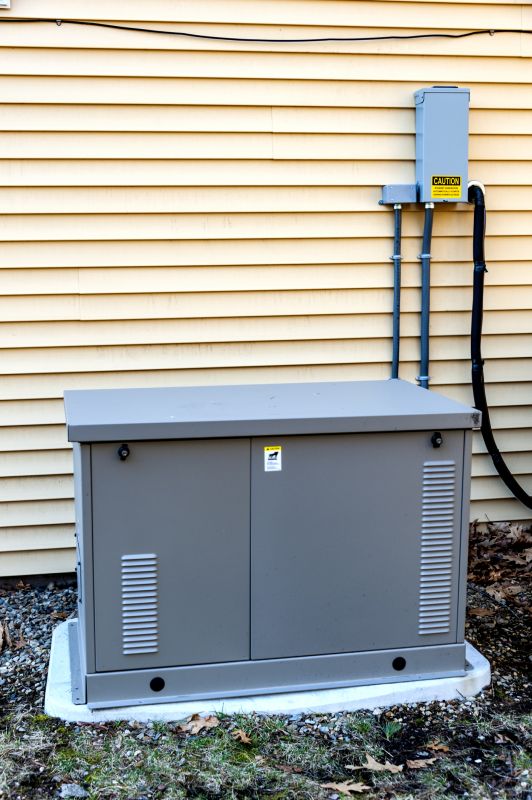
Before comparing options, clearly describe your emergency generator installation project to help local contractors recommend the best solutions.
- Assess power needs and select a generator size that matches the household or business requirements - local contractors can help determine the appropriate capacity for reliable backup power.
- Evaluate the installation location for accessibility, ventilation, and proximity to fuel sources - local service providers can identify optimal sites that meet safety and functionality standards.
- Ensure the site is prepared with a stable, level surface suitable for generator placement - local pros can assist with site preparation to support proper installation.
- Verify that the electrical system can accommodate the new generator connection - trusted contractors can evaluate existing wiring and suggest necessary upgrades.
- Plan for proper ventilation and weather protection to safeguard the generator during spring weather changes - local experts can recommend suitable enclosures or shelter options.
- Check local codes and regulations related to generator installation to ensure compliance - experienced service providers can guide through necessary permits and standards.
Use this as a springboard to refine your project scope with trusted local contractors.
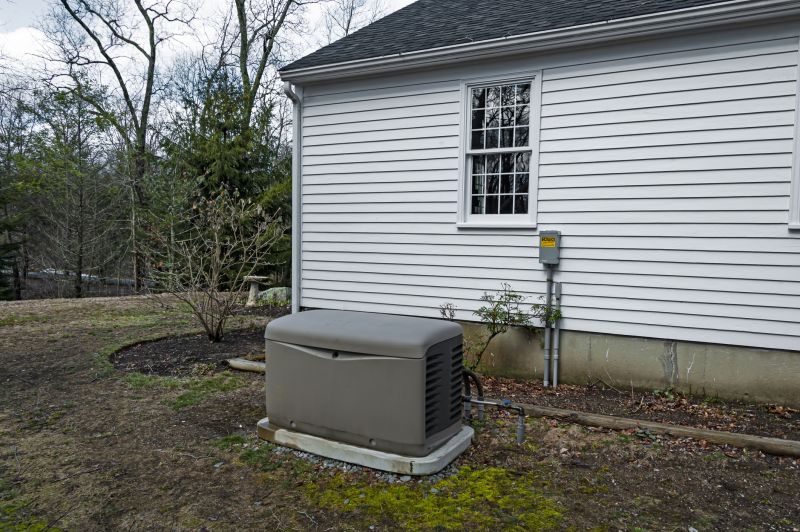
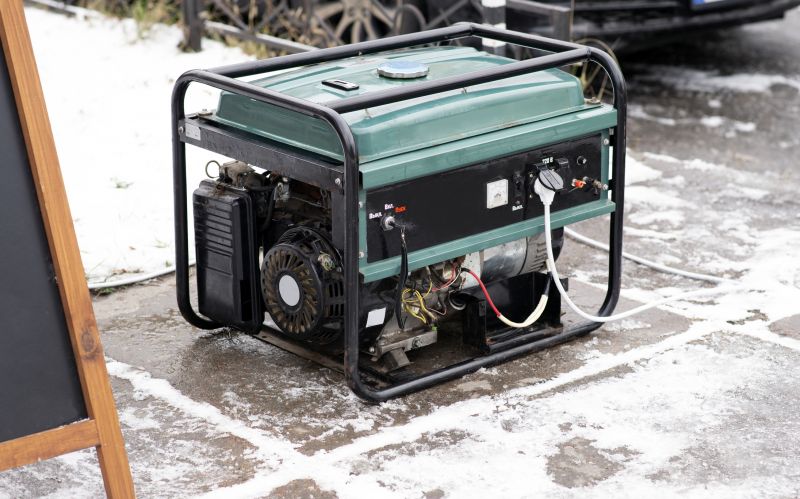
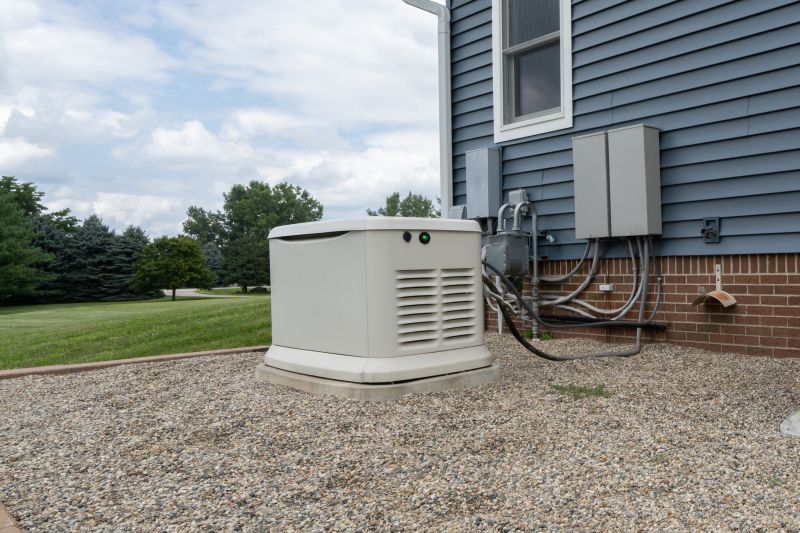
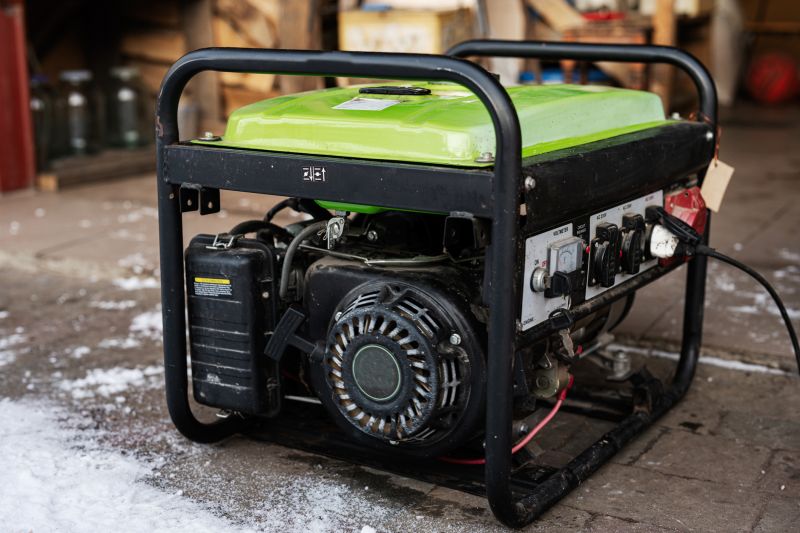
Prioritize your emergency generator installation needs and compare local contractors to find the best fit for your spring project.
- Emergency Generator Installation - Spring is an ideal time to plan for installing a backup power system to prepare for storm season. Local contractors can assess your property and recommend suitable generator options. Upgrading or expanding existing systems can ensure reliable power during outages. Seasonal inspections and maintenance by service providers help keep generators ready for emergency use. Proper installation by experienced professionals can enhance safety and system efficiency.
Use consistent comparison criteria across service providers to ensure reliable evaluations for your emergency generator installation.
- Power Capacity Requirements - Define the appropriate size and power output needed for the emergency generator based on the property's electrical load.
- Site Selection and Placement - Determine suitable locations for installation that comply with safety standards and accessibility needs.
- Electrical Connection and Integration - Identify the necessary electrical connections and integration points with the existing electrical system.
- Ventilation and Exhaust Considerations - Assess ventilation needs and exhaust placement to ensure safe operation and compliance with regulations.
- Permitting and Code Compliance - Clarify local code requirements and permit processes that service providers must follow during installation.
When comparing local contractors for emergency generator installation during the spring season, it’s important to consider their experience with similar projects. Homeowners should look for service providers who have a proven track record of installing generators comparable in size and complexity to their own needs. Experienced contractors are more likely to be familiar with common site challenges and local building considerations, which can contribute to a smoother installation process and help ensure the system functions reliably when needed.
A clear, written scope of work is essential when evaluating options. Homeowners should seek detailed proposals that outline each step of the installation process, including site assessment, equipment selection, electrical connections, and testing procedures. Having a well-defined scope helps prevent misunderstandings and ensures that all parties have aligned expectations. It also provides a basis for comparing different proposals based on the comprehensiveness and clarity of the outlined work.
Work planning considerations are particularly relevant during the spring, when outdoor conditions and landscaping can influence installation logistics. Homeowners should inquire about how contractors plan to coordinate the work around seasonal weather, garden preparations, or landscaping projects. Understanding how a service provider plans their work schedule and manages site access can help ensure the project proceeds efficiently and minimizes disruptions to outdoor spaces and daily routines.
Evaluating options without focusing on prices involves assessing the contractor’s approach, communication clarity, and professionalism. Homeowners can compare how well each service provider explains their process, responds to questions, and demonstrates knowledge about generator systems and local requirements. It’s also helpful to consider the level of detail in their proposals, the transparency of their planning, and their ability to tailor solutions to specific home needs. This approach supports making an informed choice based on quality and fit, rather than cost alone.
Request written details from local contractors to ensure clear, consistent scope for your spring emergency generator project.
- Assess provider experience - How do local contractors' experience levels compare for emergency generator installations?
- Define scope of work - What specific tasks and services do different service providers include in their installation packages?
- Compare service offerings - How do local contractors' installation processes and included features differ?
- Evaluate expertise areas - Which providers specialize in residential versus commercial emergency generator setups?
- Clarify project scope details - What aspects of the installation do local pros typically cover, and what might require additional services?
What is involved in installing an emergency generator? Installing an emergency generator typically includes site assessment, proper placement, electrical wiring, and connection to the existing power system, all handled by experienced local contractors.
How do I choose the right emergency generator for my property? Local service providers can help determine the appropriate size and type of generator based on your power needs and property layout.
Is spring a good time to install an emergency generator? Yes, spring is an ideal season to plan and install an emergency generator, allowing for completion before potential outages or seasonal storms.
What are common considerations during generator installation? Key considerations include location safety, proper ventilation, electrical code compliance, and ensuring reliable connection to your home's power system.
Can emergency generators be integrated with existing home systems? Yes, local contractors can typically integrate generators with existing electrical systems, including transfer switches for seamless power switching during outages.
What maintenance is needed after installing an emergency generator? Maintenance requirements vary, but regular inspections and testing are recommended to ensure reliable operation when needed, handled by qualified service providers.
This spring is a great time to consider the benefits of an emergency generator for your property. Visitors have learned about the key steps involved in selecting and installing a reliable backup power system, along with the importance of working with experienced local contractors. By exploring your options and comparing services, you can find the right solution tailored to your needs.
Encouraging spring planning can ensure you're prepared for unexpected outages. To explore available services and connect with trusted local contractors, use the quote form to compare options in your area. This approach helps identify the best fit for your backup power needs, providing peace of mind for any season.
Providing clear details in the form helps local contractors understand your emergency generator installation project and connect you with suitable service providers.
- Power Needs Assessment - share details about your current electrical system and backup power requirements.
- Installation Location - describe the preferred site for the generator installation on your property.
- Power Outage History - provide information about past outages and the frequency of power disruptions.
- Property Details - share relevant information about your property’s size and layout to assist local contractors.